The biosphere developed over millions of years. As life continues to expand in diversity and reach, it has created an ever more moderate climate. Humans have destroyed a lot of biomass, and this has accelerated in the industrial age. Healing the climate requires stopping pollution and biodiversity destruction and regenerating the biosphere. We can do this in food production, the oceans, forests, and other green spaces.
Regeneration also applies to our communities.
This diagram by Daniel Wahl illustrates the continuum from degeneration to generation.
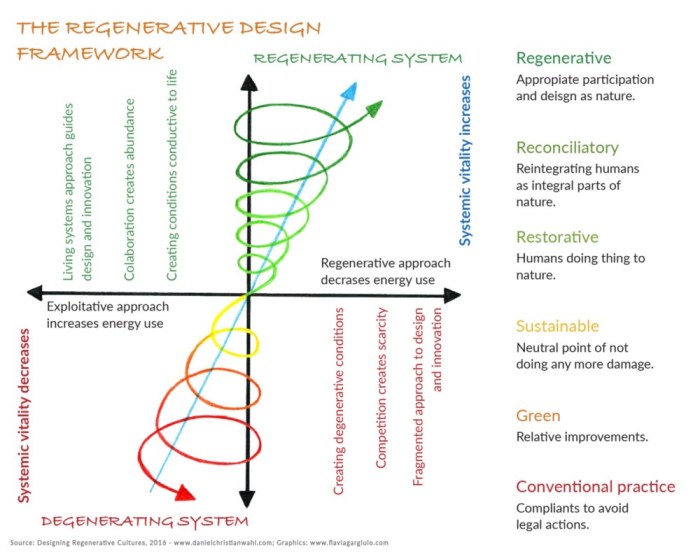
Note that sustainability is in the midpoint here between degeneration and regeneration. Daniel Wahl calls it 100% less bad. When we start to regenerate we are working with nature.
Regeneration resources
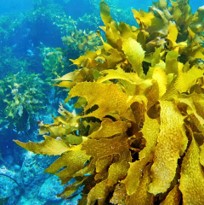
Regenerating the ocean is probably the quickest way to heal the climate. Much of the photosynthetic organisms in the ocean are microscopic and can grow biomass quickly given the right conditions. This page identifies local efforts for regeneration.

The Regeneration Panel at NorthTec included Malcolm Rands (Ecostore), Hirini Tane (Pa to Plate, Oromahoe Trust), Linda Matson (Agriculture), Bernadette Aperahama (Whangarei District Council), and Graeme Ramsey (NorthTec). See videos of the event on this page.

Whakaora ngā whenua whāma was a UNESCO funded project exploring the interface of regenerative agriculture and mātauranga Māori on two Māori-owned farms in the Whangarei District. The report is available here.

World renown soil and climate scientist, Walter Jehne fronted a seminar at NorthTec. This video where Walter talks about methane has been viewed 18,000 times.
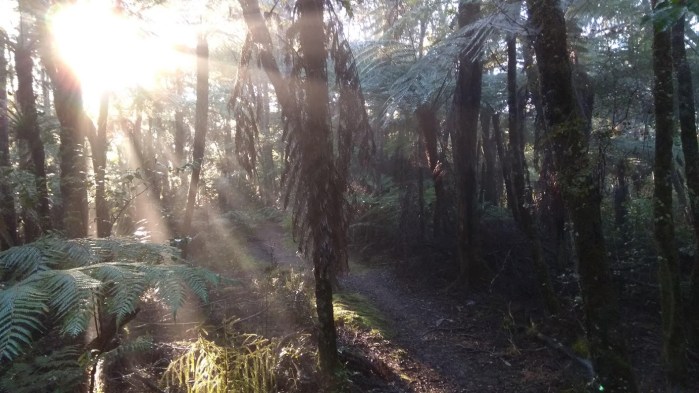
While we must stop burning fossil fuels as soon as possible, there are other pathways to cooling the climate. There is an extensive resource on this website about the science of direct cooling.
Check out our blog. There are many posts on regeneration and related topics. Categories include, plants cool, regeneration, soil carbon, system change, and methane.
 Climate Action Tai Tokerau