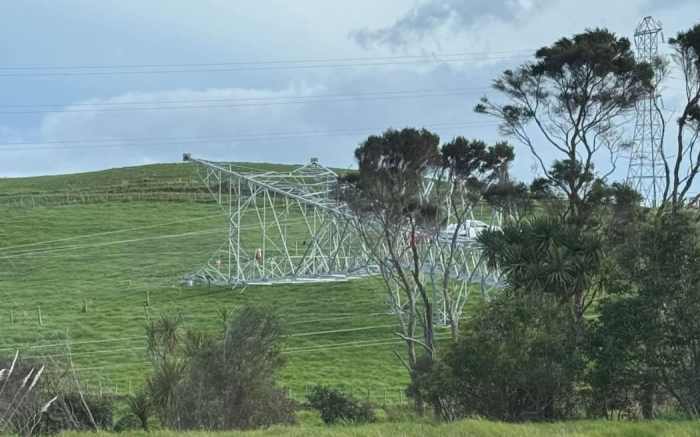
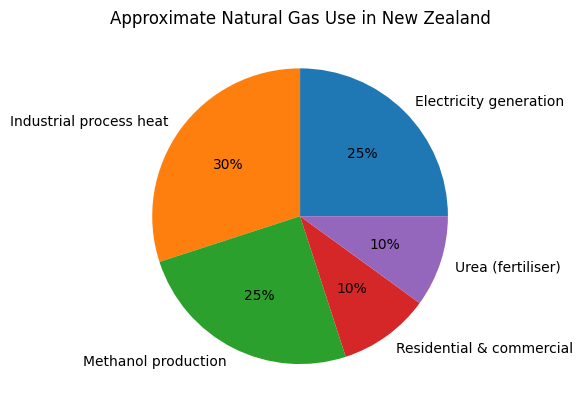
The New Zealand government’s decision to build a port for gas imports feels designed for a world with a 1999 use-by date. Only those financially invested in preserving the extractive economy of the twentieth century, or those who have swallowed its kool-aid, persist with the fantasy that that world can continue. It is clear that … Continue reading A port for the past — a call to stop the LNG terminal
Category: Politics
The Return of “Middle Powers”
The top image of the Berlin Wall by Sharon Emerson is licensed under the Creative Commons Attribution-Share Alike 3.0 Unported license. The previous post on this topic commented on the implications of Mark Carney's Davos speech. I am encouraged that the vision he began to articulate about a multipolar world raises the possibility of collective global action that … Continue reading The Return of “Middle Powers”
Climate policy and the rise of the middle powers
For much of the past three decades, climate change has been treated as a policy problem sitting alongside others: environment, energy, development. That framing is no longer adequate. Climate is now entangled with food systems, energy security, migration, public health, finance, polarisation and conflict – what many now describe as the meta-crisis: overlapping systemic stresses … Continue reading Climate policy and the rise of the middle powers
CoP 30 Reflections
In writing this post, I am using Edward de Bono’s six thinking hats to ensure different perspectives on CoP 30. Here is a link to a video briefly outlining the hats and why they are used. The black hat (risks and concerns) We've got used to the post-CoP hangover. Negotiations go late into the last … Continue reading CoP 30 Reflections
Why the Way We Feed Our Kids Matters for Climate and Community
Every day across Northland, thousands of students sit down to a free lunch. What’s on the plate tells a much bigger story about who we are and who we could become. Approximately 120 schools get lunches via the Ministry of Education’s Kai Ora, Kai Ako programme. Of these 53 schools manage their own lunches, 54 … Continue reading Why the Way We Feed Our Kids Matters for Climate and Community