A practical pathway for Aotearoa’s energy future

The debate about LNG has often been framed as if New Zealand faces a simple binary choice: import more gas, or risk insecurity. But the discussion throughout this series points to a different conclusion. Aotearoa does not need a single replacement for gas. It needs a managed transition plan. That plan does not begin from … Continue reading A practical pathway for Aotearoa’s energy future

Pathways for the transition from gas

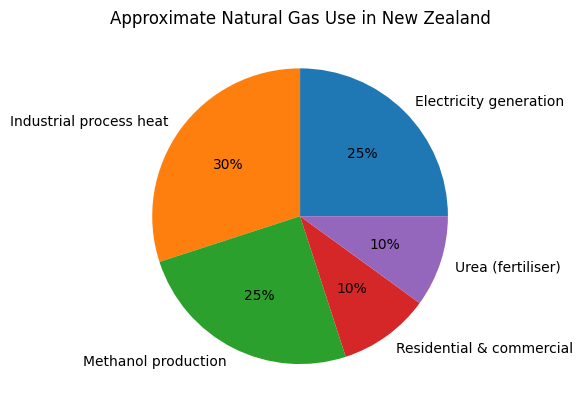
This is the fourth post in our Energy Future Series. The debate about LNG often assumes a single question: If we don’t import gas, what replaces it? But this is the wrong way to think about the problem. Natural gas is not used for a single purpose. It supports multiple parts of the economy, each … Continue reading Pathways for the transition from gas

Policy, risk, and the direction of our energy system

We have alternatives to gas. renewable generation options flexible demand pathways multiple transition strategies across sectors. The magnitude of this issue is worthy of a much broader public debate. Reducing gas demand also has a material impact on New Zealand’s emissions profile. Based on current emissions factors, a reduction of 100 petajoules of gas consumption … Continue reading Policy, risk, and the direction of our energy system

Aotearoa’s advantage: How solar power protects our hydro lakes

This is the second post on our Energy Future Series. New Zealand’s energy debate is often framed as a problem of shortage. But the deeper issue is not whether we have enough energy. it is whether we design the system to use it wisely. One of our greatest advantages is already built into our landscape … Continue reading Aotearoa’s advantage: How solar power protects our hydro lakes

CoP 30 Reflections

In writing this post, I am using Edward de Bono’s six thinking hats to ensure different perspectives on CoP 30. Here is a link to a video briefly outlining the hats and why they are used. The black hat (risks and concerns) We've got used to the post-CoP hangover. Negotiations go late into the last … Continue reading CoP 30 Reflections